Introduction
Modern technology has made it easier to work, study, and enjoy entertainment across multiple devices. However, laptops, tablets, and other portable electronics often have limited connection ports. Many newer laptops include only a few USB-C ports, making it difficult to connect external monitors, storage drives, keyboards, mice, and other USB C hub with 100W PD accessories simultaneously. A USB-C hub with 100W Power Delivery (PD) offers a practical solution by expanding connectivity while helping keep compatible devices charged.
A USB-C hub is a compact accessory that connects several peripherals through a single connection to a host device. When it supports 100W PD, it can also receive power from a compatible charger and pass that power to a connected laptop or other supported device. Understanding how power delivery, data transfer, and multi-device support work can help users choose a hub that meets their everyday needs.
What Is a USB-C Hub with 100W PD?
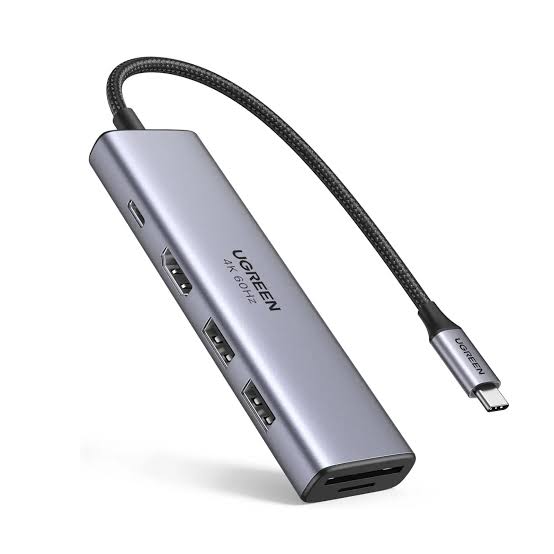
A USB-C hub is designed to expand the number and types of ports available on a compatible computer or mobile device. Depending on its design, a hub may include USB-A ports, additional USB-C connections, HDMI, Ethernet, SD card readers, and other interfaces.
The term 100W PD refers to support for USB Power Delivery, a charging standard that allows compatible devices and power sources to negotiate an appropriate power level. A hub advertised as supporting 100W PD may allow power to pass from a suitable USB-C charger to the connected laptop.
This feature is especially helpful for people who use laptops with limited ports. Instead of connecting a charger separately and constantly switching accessories, users can organize their setup around one hub.
However, it is important to distinguish between the hub’s advertised power input and the power delivered to the laptop. Some of the incoming power may be used by the hub itself, so a 100W input rating does not necessarily mean that the laptop receives the full 100W.
Understanding USB Power Delivery Technology
How 100W Power Delivery Works
USB Power Delivery enables compatible devices to communicate with a charger and establish a suitable power arrangement. The charger, hub, and connected laptop must support compatible charging capabilities for the system to work as expected.
For example, a user may connect a 100W USB-C charger to the hub’s designated PD input port. The hub then passes power through its charging connection to a compatible laptop. The laptop determines how much power it can accept based on its charging requirements and the negotiated power profile.
This arrangement can reduce cable clutter and make a desk setup more convenient. Users can leave their charger connected to the hub and connect their laptop through a single cable when they begin working.
Why Power Capacity Matters
Different devices require different amounts of power. A lightweight laptop may operate comfortably with a lower-wattage charger, while a more powerful laptop may need additional capacity, particularly during demanding workloads.
A 100W PD hub can be useful when a device supports charging at higher power levels. Nevertheless, the actual charging speed depends on the laptop’s requirements, the charger, the cable, and the hub’s specifications.
Users should also check whether the hub supports the power profile required by their device. A high wattage rating alone does not guarantee compatibility with every laptop.
Data Transfer: Connecting Devices Efficiently
Understanding USB Data Speeds
A major advantage of a USB-C hub is its ability to connect several data devices at the same time. These may include external solid-state drives, USB flash drives, keyboards, mice, printers, webcams, and audio equipment.
However, USB-C describes a connector type rather than one guaranteed data-transfer speed. A hub may support USB 2.0, USB 3.2, or another interface specification, depending on its design.
USB 2.0 is generally sufficient for basic peripherals, but it is less suitable for transferring large files quickly. Faster USB connections can significantly reduce waiting times when moving videos, photographs, project files, and backups between devices.
Before purchasing a hub, check the advertised data-transfer speed for each port. Not every USB-C port on a hub necessarily supports the same capabilities.
Moving Large Files
Creative professionals, students, and office workers frequently transfer large files between computers and external storage. A hub with suitable high-speed USB ports can make this process more convenient.
For example, a photographer might connect an external SSD and a memory card reader to transfer images to a laptop. A student could connect a USB drive while using a keyboard and mouse. In both situations, the hub provides a centralized connection point.
Actual transfer speeds depend on the host computer, storage device, cable, and hub. Connecting several devices simultaneously may also affect available bandwidth, depending on the hub’s internal design.
Multi-Device Support and Expanded Connectivity
Connecting Multiple Accessories
One of the main reasons to purchase a USB-C hub with 100W PD is the ability to use multiple accessories through a single laptop connection.
A well-equipped hub may provide:
- USB-A ports for keyboards, mice, and flash drives.
- USB-C ports for compatible data devices and accessories.
- HDMI output for an external monitor or television.
- SD and microSD card readers for media files.
- Ethernet for a wired network connection.
- A dedicated USB-C PD input for charging.
The available ports vary by model, so buyers should identify their most important requirements before making a decision.
External Monitor Support
Many USB-C hubs include HDMI output, allowing users to connect a compatible external display. This can be useful for presentations, online classes, spreadsheet work, video editing, and multitasking.
Monitor support depends on the hub’s video capabilities and the host device’s support for video output over USB-C. Resolution and refresh rate may also vary.
For instance, some hubs support a 4K display at 60Hz, while others provide different resolution or refresh-rate combinations. Users should review these specifications carefully rather than assuming that every USB-C hub supports the same display performance.
Laptop operating systems and graphics hardware can also affect whether multiple external monitors are supported.
Wired Internet and Memory Cards
Ethernet connectivity can provide a wired networking option when Wi-Fi is unreliable or when a stable network connection is preferred. This can be valuable for remote work, online meetings, large downloads, and office environments.
Meanwhile, built-in SD and microSD card readers can simplify access to photographs, video recordings, and other files. Instead of carrying separate adapters, users can connect compatible memory cards directly to the hub.
These additional features make a USB-C hub particularly useful for people who frequently move between different tasks.
Benefits of Using a USB-C Hub with 100W PD
A Cleaner Workspace
Connecting multiple accessories individually can create unnecessary cable clutter. A hub consolidates many connections into one convenient location, helping users maintain a more organized workspace.
With a compatible charging arrangement, a single connection to the laptop can provide access to several peripherals while delivering power.
Improved Productivity
A hub can make it easier to switch between working at a desk and using a laptop on the move. Users may leave their monitor, keyboard, mouse, network cable, and external storage connected to the hub.
When returning to the desk, reconnecting the laptop can restore access to those accessories without requiring each cable to be attached separately.
Greater Flexibility
A suitable hub can support different working environments, including home offices, classrooms, meeting rooms, and travel setups. Users can choose the combination of ports that suits their devices and daily routines.
A compact design is particularly helpful for people who regularly carry their laptop and accessories in a backpack.
How to Choose the Right USB-C Hub
Check Device Compatibility
Start by confirming that the laptop or tablet supports the functions you need. Some USB-C ports support charging and data only, while others also support video output.
Review the device manufacturer’s specifications to determine which features are available through its USB-C connection.
Evaluate the Port Selection
Consider the accessories you use most often. If your setup includes external monitors, storage drives, and wired internet, prioritize a hub with suitable HDMI, high-speed USB, and Ethernet connections.
If you frequently transfer photographs, an SD card reader may be more valuable than additional USB-A ports.
Verify Power Delivery Specifications
Look for clear information about the hub’s maximum PD input, charging pass-through, and any limitations on power output. Confirm that the hub works with the charger’s wattage and the laptop’s charging requirements.
A compatible USB-C cable is equally important. Some cables support lower power levels or different data capabilities, so choosing the correct cable helps prevent avoidable limitations.
Consider Build Quality and Portability
A hub may be connected and disconnected regularly, making construction quality an important consideration. Look for a sturdy enclosure, secure connectors, practical port spacing, and a cable length that suits your workspace.
Travelers may prefer a compact hub, while desktop users may benefit from a model with more ports and a longer connection cable.
Common Mistakes to Avoid
One common mistake is assuming that every USB-C port supports charging, high-speed data, and video output. These capabilities depend on the specific hardware and supported standards.
Another mistake is expecting a hub advertised as 100W PD to deliver the entire 100W to a laptop. Power consumed by the hub and its accessories may reduce the amount available to the host device.
Buyers should also avoid overlooking video specifications. An HDMI port does not automatically guarantee support for every monitor resolution or refresh rate.
Finally, connecting many demanding devices through one hub can create bandwidth or power limitations. Checking the product specifications before purchase helps users establish realistic expectations.
Who Can Benefit from a 100W PD USB-C Hub?
Students can use these hubs to connect external storage, a mouse, a keyboard, and a monitor while keeping a compatible laptop charged. Office workers can create a more convenient workstation with fewer individual connections.
Content creators may appreciate fast storage access, memory card readers, and external display support. Remote workers can benefit from wired networking and a consistent desk setup, while frequent travelers may value a compact accessory that reduces the need to carry several separate adapters.
The best choice depends on the user’s device compatibility, workload, and preferred combination of connections.
Conclusion
A USB-C hub with 100W PD combines expanded connectivity with convenient power delivery, making it a useful accessory for modern laptops and compatible mobile devices. Its main advantages include simplified charging, access to multiple peripherals, faster file transfers when supported, and a more organized workspace.
Nevertheless, features vary significantly between models. Buyers should carefully compare power-delivery specifications, data-transfer speeds, display capabilities, available ports, and device compatibility before choosing a product.
By understanding these factors, users can select a hub that supports their everyday workflow without paying for unnecessary features. Whether the goal is to improve productivity, simplify a home office, or connect multiple devices while traveling, a suitable USB-C hub can make a limited-port device considerably more versatile.