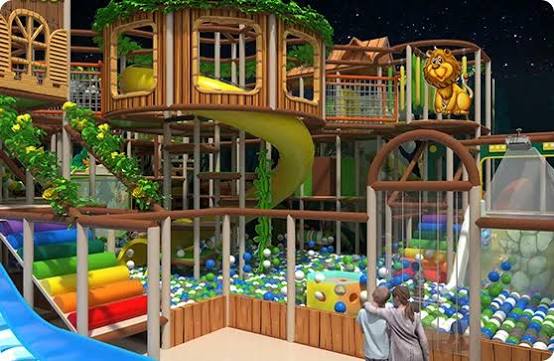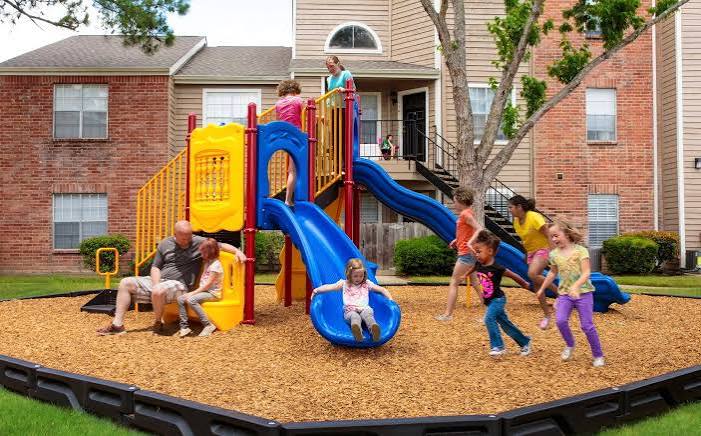
Play is an essential part of childhood because it helps children explore the world, develop new abilities, and build relationships with others. Playgrounds provide an environment where children can move freely, test their skills, and enjoy activities that support their physical, social, emotional, and cognitive development. For schools, childcare centers, parks, and recreational facilities, investing in high-quality commercial playground equipment can create valuable opportunities for children to learn while having fun.
Commercial playgrounds are designed to accommodate frequent use by multiple children. They can include climbing structures, slides, swings, balance features, tunnels, and interactive play panels. When these features are selected carefully, they encourage active movement, creative thinking, teamwork, and confidence. A well-designed playground is more than an outdoor entertainment area; it is an important space for healthy childhood development.
Encouraging Physical Activity Through Play
One of the most important benefits of commercial playground equipment is its ability to encourage regular physical activity. Children need opportunities to move their bodies throughout the day, and playgrounds make exercise enjoyable rather than a routine task.
Climbing walls, ladders, and rope structures help children develop muscular strength and coordination. Swings encourage movement and body awareness, while slides introduce children to balance, positioning, and spatial awareness. Running between play stations and navigating different obstacles also supports cardiovascular fitness and overall mobility.
These activities help children develop fundamental movement skills that can benefit them as they grow. By providing a variety of physical challenges, commercial playgrounds can encourage children with different interests and abilities to participate in active play.
Outdoor play also gives children a break from sedentary activities. Instead of spending all their free time sitting indoors, they can enjoy fresh air, explore their surroundings, and build healthy habits through enjoyable movement.
Developing Motor Skills and Coordination
Motor development involves learning how to control body movements effectively. Playground equipment provides practical opportunities for children to practise both gross motor skills and fine motor skills.
Gross motor skills involve larger movements, such as jumping, running, climbing, and balancing. Equipment such as stepping platforms, climbing frames, and balance beams encourages children to coordinate their arms, legs, and bodies while moving through different spaces.
Fine motor skills involve smaller, more controlled movements. Interactive playground panels, rotating elements, handles, and activity boards can help children practise gripping, turning, pressing, and manipulating objects.
As children repeat these activities, they gradually become more comfortable with movement and improve their physical control. Playground environments also allow children to learn through experimentation. They can discover how to approach an obstacle, adjust their movements, and try again when a challenge feels difficult.
These experiences contribute to greater physical confidence and help children become more independent in everyday activities.
Supporting Cognitive Development and Problem-Solving
Playgrounds offer more than physical challenges. They also encourage children to think, plan, observe, and make decisions.
For example, a child climbing a play structure must decide where to place their hands and feet, which route to follow, and how to maintain balance. A child navigating a play tunnel or obstacle course may need to remember the route, estimate distances, and adjust their movements to reach the destination.
These simple experiences help children practise problem-solving and decision-making. They learn to assess situations, recognize patterns, and adapt when their first approach does not work.
Interactive commercial playground equipment can further support cognitive development through puzzles, number panels, sensory activities, and imaginative play features. These elements encourage curiosity and make learning an enjoyable part of everyday recreation.
Imaginative playground designs can also inspire storytelling. A structure may become a castle, a spaceship, or an adventure station in a child’s imagination. Through these pretend scenarios, children develop creativity, language skills, and the ability to organize ideas.
Building Social Skills and Cooperation
Playgrounds naturally bring children together, creating opportunities to communicate, share, and cooperate. These interactions are essential for developing healthy social relationships.
When children use shared equipment, they practise waiting for their turn, following simple rules, and respecting other people’s space. Group activities such as pretend games, obstacle challenges, and cooperative play encourage them to work together toward a common goal.
Children also learn how to communicate their needs and listen to others. They may negotiate roles in an imaginary game, suggest different ways to complete an activity, or help a friend navigate a challenging structure.
Disagreements can occur during play, but these situations provide opportunities to practise patience, compromise, and conflict resolution with appropriate adult guidance.
Commercial playground equipment with multiple play stations can support both independent and group activities. This variety allows children to choose how they participate while still benefiting from opportunities to interact with their peers.
Strengthening Emotional Well-Being and Confidence
Emotional development is another important benefit of active play. A playground gives children opportunities to explore their abilities, experience manageable challenges, and develop confidence through practice.
For instance, a child who initially hesitates to climb a structure may gradually become comfortable using it with time and encouragement. Successfully completing the activity can help the child feel proud of their progress.
Playgrounds can also provide enjoyable ways for children to manage everyday stress and release energy. Physical movement, outdoor experiences, and positive social interactions may contribute to improved mood and emotional well-being.
Children learn about persistence when an activity requires several attempts. They also begin to understand their personal limits and the importance of making thoughtful choices.
A supportive playground environment allows children to participate at their own pace without feeling pressured to complete every activity. This approach encourages healthy confidence while respecting individual differences in ability and comfort.
Encouraging Inclusive and Accessible Play
Every child should have opportunities to enjoy play, regardless of physical ability, developmental differences, or individual needs. Inclusive commercial playground equipment helps make recreational spaces more welcoming and accessible.
Accessible pathways, ground-level play panels, transfer platforms, supportive seating, and thoughtfully designed sensory features can provide different ways for children to participate. Wide routes and clear layouts can also help children and caregivers move around the playground more easily.
Inclusive design does not mean that every child must use the same equipment in the same way. Instead, it offers a variety of activities that support different abilities and preferences.
Sensory play elements, such as textured panels and interactive features, can appeal to children who enjoy exploring through touch, sound, and movement. Quiet spaces near active play areas can give children a place to take a break when they need less stimulation.
By considering accessibility from the beginning, schools, parks, and childcare facilities can create environments that encourage participation, interaction, and a greater sense of belonging.
The Importance of Safety and Durable Design
Safety is a fundamental consideration when selecting commercial playground equipment. A playground should provide engaging challenges while reducing avoidable risks through suitable design, installation, maintenance, and supervision.
Equipment should be appropriate for the intended age groups and designed for the expected level of use. Clear separation between areas for younger and older children may help reduce conflicts between different play styles and abilities.
Protective surfacing is also essential. Materials such as engineered wood fiber, rubber surfacing, or other suitable impact-absorbing options should be selected according to the equipment’s fall height, applicable safety standards, accessibility needs, and maintenance requirements.
Regular inspections help identify loose fasteners, damaged components, worn surfaces, and other potential hazards. Facility operators should follow manufacturer instructions and relevant local safety requirements to maintain the playground in good condition.
Durable materials and quality construction are particularly important in commercial settings because the equipment may be used by many children every day. Reliable equipment can support long-term recreational value when combined with appropriate maintenance.
Choosing the Right Commercial Playground Equipment
Selecting the right equipment requires careful consideration of the intended users, available space, budget, and purpose of the playground.
Schools may benefit from equipment that encourages movement, cooperation, and structured outdoor activities. Childcare centers may prefer age-appropriate play structures with accessible features and opportunities for imaginative play. Public parks may require a broader range of equipment to serve children of different ages and abilities.
It is helpful to consider several factors before making a purchase:
- Age suitability: Choose equipment that matches the developmental stages of the children who will use it.
- Activity variety: Combine climbing, balancing, sliding, swinging, and interactive features to encourage different skills.
- Available space: Plan sufficient room for movement, safe circulation, and appropriate fall zones.
- Accessibility: Include routes and play features that accommodate a range of abilities.
- Material quality: Look for durable construction and materials suitable for local weather conditions.
- Maintenance requirements: Consider inspection schedules, replacement parts, cleaning, and long-term operating costs.
Consulting experienced playground designers or reputable suppliers can help facility managers create a practical layout that balances enjoyment, developmental benefits, accessibility, and safety.
Conclusion
Commercial playground equipment plays a valuable role in supporting active play and healthy child development. From improving strength and coordination to encouraging creativity, problem-solving, cooperation, and emotional confidence, playground activities offer benefits that extend beyond recreation.
A thoughtfully designed playground gives children opportunities to explore their abilities, interact with others, and develop important life skills through enjoyable experiences. Inclusive features help make these opportunities available to more children, while durable construction and regular maintenance support a safer and more reliable play environment.
For schools, parks, childcare centers, and recreational facilities, investing in suitable commercial playground equipment is an investment in children’s everyday experiences. By prioritizing active movement, varied challenges, accessibility, and safety, communities can create engaging playgrounds where children learn, grow, and build positive habits through play.