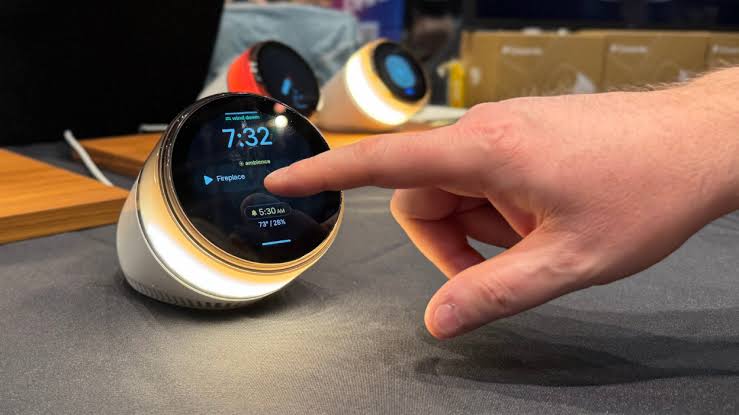
A consistent sleep schedule can make a meaningful difference in how people feel throughout the day. However, maintaining healthy bedtime and morning habits is not always easy. Work, entertainment, notifications, late-night screen use, and changing schedules can all interfere with regular sleep patterns. A smart sleep clock can provide a simple way to bring more structure to the hours before bed and after waking up.
Unlike a traditional alarm clock, a smart sleep clock can combine timekeeping, alarms, lighting, sound, reminders, and personalized routines in one compact device. These features can help create a more organized bedroom environment while making daily routines easier to follow. The goal is not simply to wake up at a particular time but to encourage a smoother transition between daytime activity, nighttime relaxation, and morning alertness.
Create a Consistent Bedtime Routine
One of the most useful ideas for using a smart sleep clock is to establish a repeatable bedtime routine. Instead of waiting until you feel tired, you can use the clock as a reminder that the day is winding down.
For example, a bedtime routine might begin 30 minutes before sleep. The smart sleep clock can provide a gentle notification, reduce its display brightness, or activate a relaxing lighting setting. This creates a clear signal that it is time to move away from work, gaming, social media, or other stimulating activities.
Repeating the same sequence each night can make bedtime feel more predictable. Over time, a structured routine may make it easier to transition from active daytime behavior into a calmer nighttime environment.
Use Gradual Lighting Before Sleep
Lighting can strongly influence the atmosphere of a bedroom. Bright, cool lighting late at night may make a space feel more like a workplace than a place for relaxation. A smart sleep clock with adjustable lighting can offer a more comfortable alternative.
Consider programming the clock to gradually reduce brightness as bedtime approaches. Warmer and softer illumination can create a peaceful atmosphere while providing enough light to move around the room safely.
The lighting routine can also become part of a broader wind-down ritual. Rather than switching off a bright room light suddenly, gradual changes can help create a smoother transition toward sleep.
Design a Gentle Wake-Up Experience
Traditional alarms can be abrupt. A loud ringtone suddenly filling a quiet bedroom may cause a stressful start to the morning. One smart sleep clock idea is to use gradual wake-up features instead.
Some models can increase light brightness slowly before the scheduled wake-up time. Others may combine gentle sounds with gradual illumination. This approach can make waking feel less sudden and can create a more pleasant morning atmosphere.
A gradual wake-up routine can also be particularly useful during darker mornings when natural daylight is limited. Instead of relying entirely on a loud alarm, the bedroom environment can slowly become brighter as the morning approaches.
Choose Calming Sounds for Nighttime
Sound is another feature worth considering when building a sleep-friendly routine. A smart sleep clock may offer nature sounds, white noise, gentle ambient audio, or other calming options.
The right sound can help create a consistent background environment. For people who are easily distracted by occasional household noises, steady ambient sound may make the bedroom feel more predictable.
It is important to choose sounds that are personally comfortable. A complicated audio routine is not necessary. Even a simple, low-volume background sound can become a familiar part of a nighttime ritual.
Keep the Bedroom Environment Organized
A smart sleep clock can serve as more than an alarm. Its display can provide useful information such as the time, weather, reminders, or other selected data without requiring you to reach for a smartphone.
Keeping essential information on one dedicated device can reduce the temptation to check a phone immediately before bed or immediately after waking. This can be especially helpful for people who tend to become distracted by messages, social media, or notifications.
A clean bedside setup can also make the bedroom feel more organized. Instead of filling a nightstand with multiple devices, a multifunctional clock can potentially combine several everyday functions.
Build a Better Morning Routine
The morning is just as important as bedtime when creating healthy habits. A smart sleep clock can help establish a consistent sequence after waking.
For example, the alarm can be followed by a reminder to drink water, open the curtains, stretch, prepare breakfast, or begin another morning activity. While the clock cannot replace personal discipline, scheduled prompts can make routines easier to remember.
The key is to avoid creating too many alerts. A few meaningful reminders are generally more useful than constant notifications. The purpose should be to support a routine rather than make the morning feel rushed.
Reduce Dependence on Smartphone Alarms
Many people use smartphones as alarm clocks, but keeping a phone beside the bed can create distractions. A smart sleep clock can provide an alternative dedicated device.
With a separate clock, you can leave your smartphone farther away from the bed while still having access to an alarm and other useful functions. This arrangement may also discourage late-night scrolling and unnecessary checking of notifications.
Moving the phone away can have another practical benefit: getting out of bed to turn off the alarm. For some people, this simple physical action can make it easier to begin the morning rather than repeatedly pressing a snooze button.
Personalize Your Sleep Schedule
Different people have different schedules, so personalization is an important part of choosing a smart sleep clock. Someone who works traditional daytime hours may need a different routine from someone with changing shifts or flexible working hours.
Look for features that allow multiple alarms, customized schedules, adjustable brightness, different sounds, and flexible routines. These options can make the clock more useful throughout the week.
A personalized setup might include a different weekday and weekend schedule. However, maintaining reasonable consistency can still be valuable when circumstances allow it.
Make Weekend Sleep More Structured
Weekend schedules often become less predictable. Staying up significantly later and sleeping much longer can make Monday morning feel difficult.
A smart sleep clock can help maintain a more consistent pattern by providing gentle reminders and alarms on selected days. The goal does not need to be identical sleep times every day. Instead, the device can help prevent major changes that disrupt an otherwise established routine.
Weekend routines can also include different wake-up sounds or lighting settings to create a more relaxed experience while preserving some structure.
Use the Clock as a Visual Habit Cue
A smart sleep clock can become a visual reminder of healthy habits. Seeing the device on the bedside table can reinforce the idea that the bedroom is associated with relaxation and regular sleep.
Some devices also allow customizable displays, colors, icons, or information panels. Keeping the screen simple during nighttime hours can reduce visual stimulation, while a more informative display may be useful during the morning.
The best configuration depends on personal preferences. A bedroom should remain comfortable rather than feeling like a technology control center.
Focus on Simplicity and Comfort
More features do not automatically mean better sleep. When choosing a smart sleep clock, consider whether its functions genuinely support your routine.
Useful features may include adjustable display brightness, quiet operation, reliable alarms, gradual lighting, customizable schedules, and easy controls. A complicated device that requires constant attention may defeat the purpose of creating a calmer bedtime environment.
The ideal setup should work quietly in the background. Once routines are configured, the clock should require minimal interaction.
Turn Small Features Into Consistent Habits
The real value of a smart sleep clock comes from how consistently it is used. A single alarm or light feature will not transform a sleep schedule overnight. Instead, small features can become useful when they are incorporated into repeatable daily habits.
A reminder to start winding down, softer lighting before bed, a consistent alarm, and a gentle morning routine can collectively create a more structured day. Over time, these simple actions can become familiar parts of everyday life.
Conclusion
A smart sleep clock can be a practical addition to a modern bedroom, especially for people who want more structure around bedtime and morning routines. From gradual lighting and calming sounds to customizable alarms and routine reminders, its features can help create a smoother transition between different parts of the day.
The most effective approach is to keep the system simple. Establish a consistent bedtime, create a relaxing environment, use a gentle wake-up routine, and avoid unnecessary nighttime distractions. When technology is used thoughtfully, a smart sleep clock can become more than a timekeeping device—it can serve as a convenient tool for building better daily habits and creating a more comfortable sleep environment.