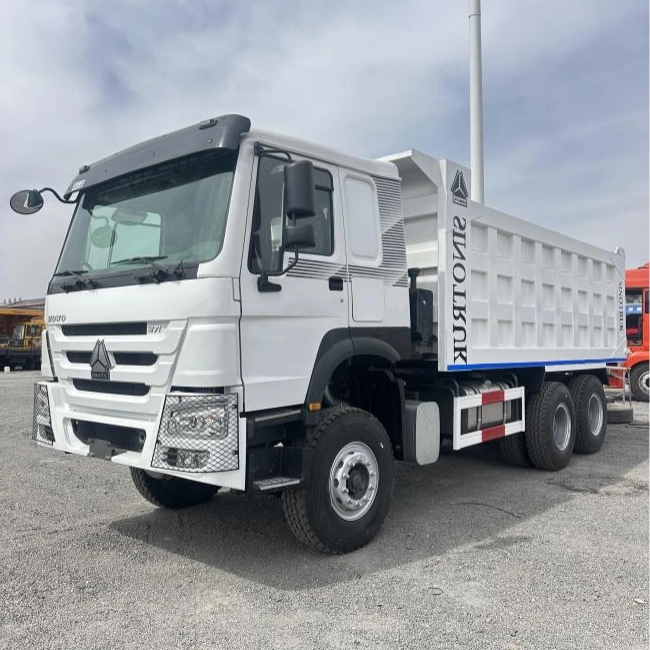
When it comes to construction, mining, and large-scale industrial projects, the demand for reliable water transportation solutions is undeniable. One of the most trusted names in the heavy-duty truck sector is Howo, especially renowned for its robust water trucks. For businesses looking to maximize efficiency while managing costs, investing in used Howo heavy-duty water trucks can be a practical solution. However, selecting the right model requires a careful comparison of specifications, capabilities, and suitability for your specific needs.
Understanding the Importance of Howo Water Trucks
Howo water trucks are engineered to handle heavy-duty operations across challenging terrains. Whether for dust suppression, soil compaction, or transporting water to remote construction sites, these trucks provide durability, high capacity, and operational efficiency. Choosing used Howo heavy-duty water trucks allows businesses to benefit from the proven performance of Howo vehicles at a fraction of the cost of new models. Rhino Truck, a trusted supplier in the industry, specializes in offering high-quality used Howo trucks that have been thoroughly inspected and maintained to ensure reliability.
Key Factors in Choosing the Right Used Howo Heavy-Duty Water Truck
When evaluating used Howo heavy-duty water trucks, it’s important to consider multiple factors that impact performance, cost-effectiveness, and long-term value.
Payload Capacity
One of the first considerations is the water tank capacity and the truck’s payload rating. Howo trucks come in various configurations, typically ranging from 8,000 liters to over 20,000 liters. Larger tanks are ideal for extensive operations such as highway construction or large mining projects, while smaller tanks may be more efficient for urban or localized work. Rhino Truck provides detailed specifications for each model, helping buyers match the truck’s capacity with their operational requirements.
Engine Performance and Fuel Efficiency
The engine is the heart of any heavy-duty water truck. Howo trucks are equipped with powerful engines designed for heavy loads and prolonged operation. When buying used Howo heavy-duty water trucks, it’s crucial to review the engine type, horsepower, and fuel efficiency. Older models may offer cost savings upfront but could have higher maintenance costs if the engine has been overworked. Rhino Truck ensures that all used models undergo rigorous engine inspections and performance tests before being offered for sale.
Pumping and Spraying Systems
Water trucks are not just about transport—they also need efficient water distribution systems. Howo models feature advanced pumping and spraying mechanisms that allow for even water distribution across large surfaces. When comparing models, check the pump capacity, spray reach, and control options. A truck with an underpowered pump may reduce efficiency, particularly on large-scale projects. Rhino Truck often provides details about the condition and performance of these systems, ensuring buyers can select a model that meets operational demands.
Chassis and Suspension
A reliable chassis and suspension system are critical for heavy-duty water trucks operating on rough terrains. Howo trucks are designed to handle uneven roads, steep inclines, and rugged sites. Inspecting the chassis, axles, and suspension components is essential when considering used Howo heavy-duty water trucks. Rhino Truck offers trucks with reinforced chassis and well-maintained suspension systems, which enhances longevity and reduces the risk of breakdowns.
Cab Comfort and Safety Features
Operator comfort and safety are often overlooked, but they play a significant role in overall efficiency. Howo water trucks come with ergonomic cabins, easy-to-use controls, and safety features such as seat belts and reinforced frames. For used models, check for the condition of the cab, functionality of controls, and any signs of wear or damage. Rhino Truck ensures that the cabins of their used trucks are in excellent condition, providing a safe and comfortable working environment.
Maintenance History and Availability of Spare Parts
Maintenance history is a key factor when purchasing used Howo heavy-duty water trucks. Trucks with a well-documented service history are more likely to be reliable and require fewer unexpected repairs. Additionally, the availability of spare parts is crucial for ongoing maintenance. Howo trucks have a strong global presence, making parts accessible, but it’s always wise to confirm the availability of components for the specific model you intend to buy. Rhino Truck offers transparency on maintenance records and provides guidance on sourcing spare parts for continued operation.
Cost Considerations
Budget is always a critical factor in procurement decisions. While used Howo heavy-duty water trucks are more affordable than new ones, prices can vary based on age, mileage, condition, and model specifications. Compare multiple options to ensure that you are getting the best value for your investment. Rhino Truck provides competitive pricing while ensuring that the quality and reliability of the trucks are not compromised.
Popular Howo Models and Their Applications
Several Howo models are popular among buyers looking for used heavy-duty water trucks. Each model offers unique advantages depending on operational needs:
- Howo 8×4 Water Truck: Ideal for large construction sites and mining operations due to its high capacity and stable performance on rough terrains.
- Howo 6×4 Water Truck: A versatile option for medium-sized projects, offering a balance between capacity, maneuverability, and fuel efficiency.
- Howo 4×2 Water Truck: Suitable for urban or smaller-scale projects where agility and fuel economy are more important than maximum payload.
Rhino Truck provides detailed comparisons of these models, helping clients choose the truck that aligns with their specific project requirements.
Tips for Inspecting a Used Howo Water Truck
When considering a purchase, a hands-on inspection is crucial. Here are some tips to ensure a smart investment:
- Check the engine for leaks, unusual noises, and performance consistency.
- Inspect the tank and pumping system for rust, cracks, or reduced functionality.
- Evaluate tires, suspension, and chassis for signs of excessive wear.
- Review service records and verify that regular maintenance has been performed.
- Test drive the truck under load conditions to ensure smooth operation.
By following these steps and leveraging Rhino Truck’s expertise, buyers can confidently select the right used Howo heavy-duty water trucks for their needs.
Conclusion
Investing in used Howo heavy-duty water trucks can be a cost-effective way to enhance operational efficiency while managing budget constraints. By carefully comparing models, examining key specifications, and inspecting trucks thoroughly, businesses can identify the right truck to meet their project requirements. Rhino Truck stands out as a reliable source for quality used Howo trucks, offering vehicles that combine performance, durability, and affordability. Choosing the right model not only ensures smooth operations but also maximizes long-term value and productivity for construction and industrial projects.
By focusing on payload, engine performance, water distribution systems, chassis durability, and operator comfort, buyers can make informed decisions and select a Howo water truck that fits their unique operational needs. For anyone looking to invest in used Howo heavy-duty water trucks, thorough research, professional guidance, and careful inspection are key to ensuring a successful purchase.