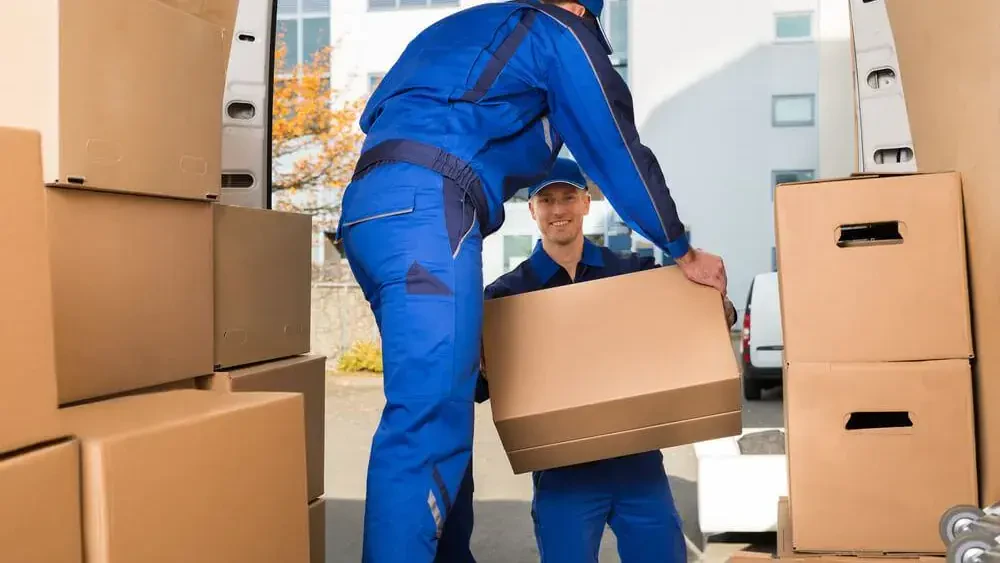
Moving to a new home can be exciting, but transporting valuable household belongings requires careful planning and preparation. From expensive electronics and artwork to antique furniture, family heirlooms, and delicate decorations, each item deserves the right protection throughout the relocation process. Professional Chicago Movers understand that valuable possessions need more than ordinary packing materials. They use organized methods, suitable equipment, and careful handling techniques to reduce the possibility of scratches, dents, cracks, moisture exposure, and other forms of damage.
Whether you are moving across Chicago or relocating to another city, protecting your belongings should be a central part of your moving strategy. Working with experienced professionals such as https://affordablecitymovers.com/ can help make the process more organized while giving valuable household items the attention they require.
Start With an Inventory of Valuable Items
Before packing begins, identify everything that requires special attention. Create an inventory of expensive, fragile, sentimental, or irreplaceable belongings. This may include televisions, computers, musical instruments, artwork, mirrors, glass furniture, antiques, collectibles, jewelry, and important personal possessions.
An inventory makes it easier to determine which packing materials are needed for each item. It also provides a useful record of your belongings before the move. Taking photographs of valuable items can provide additional documentation and make it easier to identify their condition before and after transportation.
Choose the Right Packing Materials
Ordinary cardboard boxes may not provide sufficient protection for high-value belongings. Professional Chicago Movers can recommend packing solutions according to the size, shape, weight, and fragility of individual items.
Strong moving boxes, protective blankets, bubble wrap, foam padding, stretch film, corner protectors, and specialty containers can all serve different purposes. For example, glass surfaces require cushioning and secure positioning, while electronic equipment may benefit from anti-static or impact-resistant protection.
Using the correct materials helps prevent items from shifting inside boxes during transportation. Boxes should also be selected according to weight rather than simply filling every available space.
Protect Furniture From Scratches and Impact
Valuable furniture can easily suffer damage when it passes through narrow hallways, staircases, doorways, and elevators. Wooden tables, cabinets, upholstered chairs, beds, and other large pieces should be protected before they are moved from their original positions.
Professional movers commonly use furniture pads and protective coverings to shield surfaces from scratches, dirt, and accidental contact with walls. Corners and edges can receive additional protection because these areas are especially vulnerable during handling.
Disassembling certain furniture pieces can also make transportation safer. Legs, shelves, drawers, and removable components may be taken apart when appropriate and carefully labeled so that everything can be reassembled at the destination.
Give Electronics Special Attention
Modern households often contain valuable electronic equipment, including televisions, desktop computers, gaming systems, speakers, monitors, and home appliances. These items can be damaged by impact, moisture, excessive pressure, or improper positioning.
Whenever possible, use the original manufacturer packaging because it is designed specifically for the equipment. If the original packaging is unavailable, use a sturdy box with sufficient cushioning material. Screens should never be placed where heavy objects can press against them.
Before packing electronics, remove cables and accessories and label them clearly. Small components should be placed in sealed bags and kept with their corresponding equipment. This organization prevents missing parts and makes setting up the new home much easier.
Handle Antiques and Family Heirlooms Carefully
Antique furniture, inherited decorations, collectibles, and family heirlooms often have emotional or historical value that cannot easily be replaced. These possessions deserve individual assessment before moving day.
Avoid placing fragile heirlooms in boxes with unrelated household items. Wrap each piece separately and provide enough cushioning to prevent movement. Particularly delicate objects may require custom crating or specialized protection.
It is also helpful to tell the moving team which belongings are especially important. Clear communication allows movers to plan how these items will be carried, loaded, positioned, and unloaded.
Pay Attention to Artwork, Mirrors, and Glass
Artwork and glass objects are among the household items most likely to require specialized packing. Paintings, framed photographs, mirrors, glass tables, and decorative pieces can crack or break if they are exposed to pressure or sudden movement.
Protective wrapping should cover vulnerable surfaces without placing excessive pressure on them. Corner protection can reduce damage to framed artwork, while rigid containers can provide an additional layer of security.
Large mirrors and framed pieces should be carried carefully and positioned securely during transportation. They should not be placed beneath heavy boxes or other objects that could apply pressure.
Organize the Moving Truck Properly
Protecting valuable belongings does not end when everything leaves the house. Proper loading is equally important. Movers need to consider weight distribution, item stability, and the order in which belongings are placed inside the vehicle.
Heavy furniture and sturdy boxes should generally be positioned securely so they do not shift during transportation. Fragile items need suitable cushioning and should not be trapped beneath heavy objects.
Professional Chicago Movers have experience arranging household belongings to make efficient use of available space while reducing unnecessary movement. Proper loading can significantly lower the risk of items colliding during travel.
Keep Essential Valuables With You
Some possessions should not be placed in a moving truck at all. Personal documents, passports, cash, jewelry, irreplaceable photographs, small family heirlooms, and other highly valuable or sensitive belongings are usually better transported personally.
Creating a separate personal-transport category helps ensure these items remain under your direct supervision. It also prevents important possessions from becoming difficult to locate during the moving process.
Prepare for Chicago Weather Conditions
Chicago weather can create additional challenges for household relocation. Rain, snow, ice, humidity, and sudden temperature changes can expose belongings to moisture and other environmental risks. Protective wrapping, sealed containers, and suitable moving blankets can help reduce exposure.
During unfavorable weather, movers may need to use additional floor coverings and protective barriers around entrances. Keeping pathways clear and dry can also make carrying valuable belongings safer.
Inspect Items After Delivery
Once everything reaches the new property, inspect valuable belongings before removing all protective materials. Compare their condition with the photographs or inventory created before the move.
Check furniture surfaces, electronics, artwork, glass items, and antiques for visible damage. Keeping valuable belongings organized during unloading makes inspection easier and allows problems to be identified promptly.
Make Protection Part of Your Moving Plan
Protecting valuable household items requires more than simply wrapping them in paper and placing them inside boxes. Every stage matters, from inventory and packing to loading, transportation, unloading, and final inspection. Careful preparation can reduce unnecessary risks and make moving day considerably more manageable.
Choosing experienced Chicago Movers can provide valuable assistance when your household includes fragile, expensive, oversized, or sentimental possessions. With proper packing materials, protective equipment, organized loading methods, and careful handling, valuable belongings can arrive at their new home in excellent condition. A thoughtful approach to protection allows homeowners to focus on settling into their new space with greater confidence and less concern about the safety of the possessions that matter most.