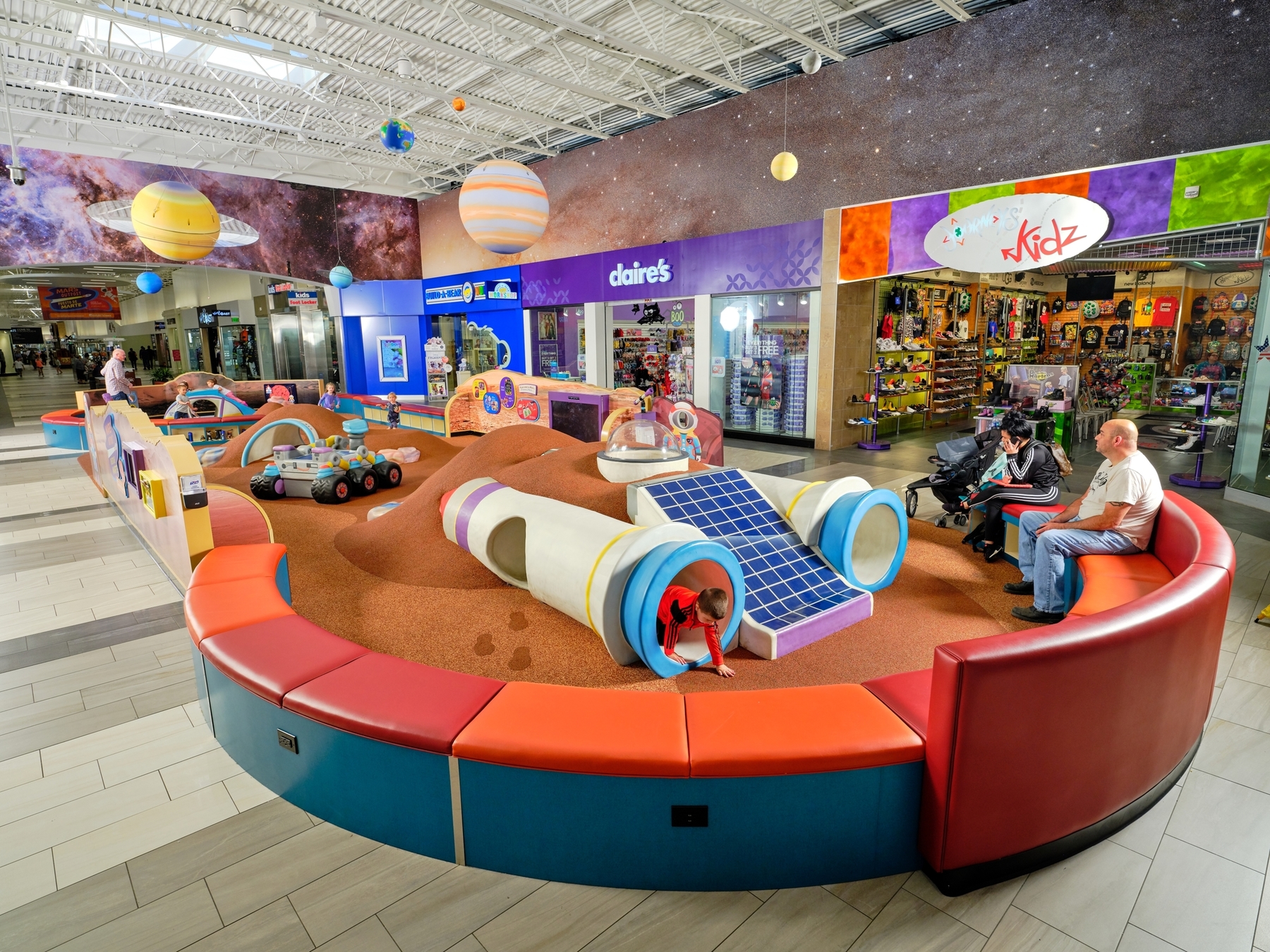
Designing an indoor play area is more than simply filling a room with colorful structures. A successful play space should be safe, engaging, practical, visually appealing, and suitable for the children who will use it. Whether the project is for a family entertainment center, daycare, shopping mall, restaurant, hotel, school, or community facility, careful planning can make a significant difference.
Choosing the right commercial soft play equipment is one of the most important parts of the process. The equipment needs to work with the available space while supporting active play, exploration, social interaction, and age-appropriate challenges. This practical guide explains the major factors to consider when planning an indoor space.
Start With the Purpose of the Play Area
Before selecting equipment, clearly define what the indoor space is intended to accomplish. Different facilities have different goals. A commercial entertainment center may need a large multi-level play structure, while a daycare may require smaller equipment designed for younger children.
Consider the expected age groups, number of visitors, average visit duration, and types of activities you want to provide. A facility serving toddlers will have different requirements from one designed for children between six and twelve years old.
You should also consider whether the space will be used primarily for free play, structured activities, birthday parties, educational programs, or a combination of these purposes. Defining these goals early helps guide every later design decision.
Measure and Evaluate the Available Space
Accurate measurements are essential before purchasing or designing play equipment. Record the total floor area as well as ceiling height, door locations, windows, columns, electrical fixtures, ventilation systems, and emergency exits.
Do not assume that every available square foot can be used for play equipment. Certain areas need to remain accessible for staff movement, maintenance, evacuation, and supervision.
Ceiling height is particularly important for multi-level structures. Equipment should fit comfortably within the room while leaving appropriate clearance above elevated platforms and activities.
Create a basic floor plan showing entrances, exits, seating areas, reception spaces, restrooms, storage, and play zones. This makes it easier to visualize how the equipment will fit into the facility.
Divide the Space Into Appropriate Play Zones
A well-planned indoor play center usually works better when the space is divided into distinct activity zones. Instead of placing every feature together, consider creating areas for different ages and play styles.
For example, a toddler zone might include soft climbing elements, low slides, sensory features, and crawling areas. An area for older children could include tunnels, bridges, climbing challenges, ball pits, slides, and interactive obstacles.
Quiet or lower-energy activities can also have their own space. This gives children opportunities to rest and transition between more active activities.
Separating zones can also improve supervision. Staff members can more easily monitor children when activities are organized logically instead of being randomly distributed throughout the room.
Choose Equipment According to Age and Ability
Children at different developmental stages have different physical abilities and interests. Selecting equipment based only on appearance can create an unsuitable play environment.
For younger children, prioritize low-height structures, soft obstacles, simple climbing activities, and easy-to-use slides. Older children may prefer more challenging climbing walls, tunnels, bridges, balance features, and multi-level structures.
Equipment should offer an appropriate level of challenge without becoming unnecessarily difficult or intimidating. A well-designed play area allows children to gradually develop coordination, balance, confidence, and physical skills.
It is also useful to include different types of activities so that children with different interests can find something enjoyable. Combining climbing, sliding, crawling, balancing, jumping, and imaginative play creates a more varied experience.
Make Safety a Central Design Priority
Safety should influence the design from the beginning rather than being considered after equipment has been selected. Look for equipment manufactured from durable materials with appropriate padding and protective surfaces.
Pay attention to potential collision points, sharp edges, openings, fall zones, access points, and areas where children could become trapped. The arrangement of equipment is just as important as the equipment itself.
Adequate spacing between activities can help reduce collisions and make supervision easier. Floors should provide suitable impact protection, particularly around climbing structures and elevated play areas.
It is also important to establish regular inspection and maintenance procedures. Commercial play environments experience heavy use, so equipment should be checked routinely for loose components, damaged padding, worn surfaces, and other potential problems.
Plan for Visibility and Supervision
Parents and staff need to be able to see children easily. A beautiful play area becomes less practical if walls, structures, or decorative elements create hidden areas.
When arranging commercial soft play equipment, consider sightlines from the reception desk, seating areas, and staff stations. Avoid unnecessary visual barriers where possible.
Parents often appreciate seating positioned around the play zone, allowing them to watch their children while remaining comfortable. Staff should have clear routes through the play area so they can respond quickly when assistance is needed.
Good visibility also contributes to smoother crowd management during busy periods.
Consider Traffic Flow
Movement through the facility should feel natural. Children should be able to move between activities without constantly crossing busy walkways or interfering with entrances and exits.
Plan separate paths for visitors, staff, and service activities where practical. The entrance should provide enough space for children and parents to enter without immediately creating congestion.
Consider where shoes, coats, bags, food, and personal belongings will be stored. A dedicated storage area can prevent these items from becoming obstacles in the play zone.
Traffic flow becomes especially important during birthday parties and peak operating hours when larger groups may enter or leave at the same time.
Think About Parents and Staff Too
An indoor play area is designed for children, but adults also need a comfortable environment. Parents may spend several hours in the facility, particularly during parties or group visits.
Provide comfortable seating with good views of the play area. If the business includes food and beverages, consider positioning tables where adults can relax without blocking children’s movement.
Staff areas should include practical storage, cleaning supplies, first-aid resources, and access routes. Employees need enough room to perform inspections, clean equipment, and assist visitors efficiently.
A comfortable environment for adults can improve the overall customer experience and encourage longer visits.
Balance Fun With Visual Appeal
Colorful equipment can make an indoor play center attractive, but design should go beyond simply using bright colors. Consider creating a theme that supports the identity of the facility.
Adventure, jungle, ocean, space, transportation, and fantasy themes can make the environment more memorable. However, decorations should never interfere with visibility, safety, cleaning, or equipment operation.
Lighting also plays an important role. The room should be bright enough for supervision while creating an inviting atmosphere. Avoid excessive glare and dark corners.
Consider Durability and Maintenance
Commercial play areas receive substantially more use than equipment intended for a private home. Durability should therefore be a major purchasing consideration.
Evaluate the construction materials, padding, stitching, fasteners, protective surfaces, and replacement-part availability. Easy-to-clean materials can save significant time for staff.
Ask suppliers about recommended maintenance schedules, warranties, spare parts, installation requirements, and cleaning procedures before making a final decision.
A slightly higher initial investment in durable equipment may provide better long-term value if it reduces repairs and replacement costs.
Plan the Budget Carefully
Creating an indoor play area involves more than the cost of the equipment itself. Your budget may need to cover flooring, installation, transportation, lighting, electrical work, ventilation, furniture, signage, safety features, maintenance, and professional design services.
Prepare a complete project budget before committing to specific equipment. Prioritize essential safety and structural requirements first, then allocate remaining funds toward additional attractions and decorative elements.
It is also useful to consider future expansion. Leaving some flexibility in the floor plan can make it easier to add new attractions as the business grows.
Create an Engaging and Flexible Environment
The best indoor play spaces encourage children to explore without making the experience feel repetitive. Combining physical challenges with imaginative and interactive activities can increase engagement.
Think about how children will move through the space and whether the layout encourages discovery. A good design can provide multiple routes and activities without creating confusion.
Flexibility is another valuable feature. Modular equipment or adaptable activity areas can allow the facility to change its layout, introduce new attractions, or accommodate special events.
Final Thoughts
Planning an indoor play environment requires careful attention to space, safety, age suitability, supervision, traffic flow, durability, and customer experience. The goal is not simply to install attractive equipment but to create an organized environment where children can play actively and confidently.
By measuring the space accurately, defining play zones, selecting age-appropriate commercial soft play equipment, prioritizing safety, and planning for long-term maintenance, facility owners can create an indoor play area that is enjoyable and practical. A thoughtful design can benefit children, parents, staff, and the business itself while providing a flexible environment that remains valuable for years to come.