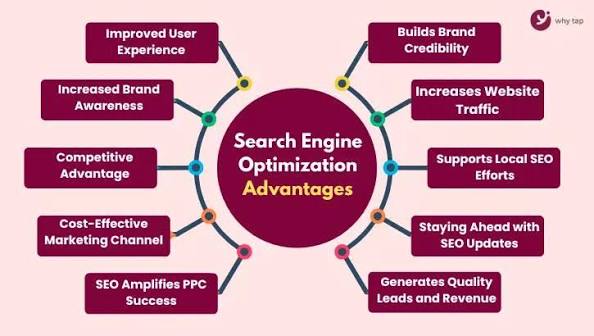
In today’s competitive online environment, having a website is only the beginning of building a successful digital presence. Businesses need to make sure their websites can be discovered, understood, and trusted by search engines and users. This is where effective search engine optimization strategies become essential. SEO helps search engine optimization businesses improve their visibility in search results, attract relevant visitors, and create a stronger connection with potential customers.
A successful SEO strategy is not based on one technique. It combines technical improvements, useful content, keyword research, user experience, and authority-building activities. When these elements work together, a website can develop sustainable visibility and generate valuable organic traffic over time.
Understand Your Target Audience
Every effective SEO campaign should begin with a clear understanding of the target audience. Businesses need to know what their customers are searching for, what problems they want to solve, and what information influences their purchasing decisions.
Understanding search intent is particularly important. Someone searching for “how to improve website speed” may be looking for educational information, while a person searching for “website speed optimization service” may be closer to making a purchase.
Creating content that matches different types of search intent allows a website to serve users at various stages of their journey. This can improve engagement and increase the likelihood of turning visitors into leads or customers.
Conduct Strategic Keyword Research
Keyword research remains an important part of search engine optimization strategies. However, modern SEO requires more than selecting keywords with high search volume. Businesses should consider relevance, competition, search intent, and the overall value of a keyword.
Long-tail keywords can be especially useful for businesses targeting specific audiences. These phrases are often more detailed and may attract visitors with clearer intentions.
Instead of repeatedly placing the same keyword throughout a page, businesses should build content around related topics and concepts. This creates a more natural reading experience while helping search engines understand the subject comprehensively.
Improve On-Page SEO
On-page optimization helps search engines and visitors understand individual website pages. Important elements include page titles, headings, meta descriptions, URLs, internal links, image optimization, and content structure.
Each page should have a clear primary topic and an informative title. Headings should organize information logically so visitors can quickly find what they need.
Internal linking is another valuable technique. Connecting related pages helps users discover additional information while giving search engines a clearer understanding of the website’s structure and important content.
Images should also be optimized with descriptive file names and appropriate alternative text. These small improvements can contribute to better usability and overall website performance.
Create Valuable and Original Content
Content is one of the strongest foundations of a successful SEO strategy. Search engines aim to provide users with helpful results, so businesses should focus on producing content that genuinely answers questions and provides useful information.
Instead of creating large amounts of repetitive content, focus on quality and relevance. Blog posts, guides, tutorials, product pages, case studies, FAQs, and comparison articles can all serve different purposes.
Strong content should be easy to read, accurate, well-organized, and useful to the intended audience. Adding original insights, practical examples, data, and expert perspectives can also make content more valuable.
Regularly updating older content is another effective strategy. Information can become outdated, and refreshing existing pages can help maintain their usefulness and relevance.
Strengthen Technical SEO
Technical SEO ensures that search engines can efficiently crawl, understand, and index a website. Even excellent content may struggle to perform if technical problems prevent search engines from accessing important pages.
Businesses should regularly check for broken links, indexing problems, duplicate pages, incorrect redirects, and crawl issues. Website architecture should also be organized logically, making important pages easy to discover.
Mobile responsiveness is equally important because many users access websites through smartphones and tablets. A website should provide a consistent and convenient experience across different screen sizes.
Site security also matters. Using HTTPS helps protect user information and provides visitors with a safer browsing environment.
Focus on Website Speed
Page speed has a direct impact on user experience. Visitors may leave a website when pages take too long to load, especially when they are browsing on mobile devices or slower connections.
Businesses can improve performance by compressing images, reducing unnecessary scripts, using efficient hosting, enabling browser caching, and minimizing resources that slow down page rendering.
Performance should be monitored regularly because new plugins, applications, images, and website updates can introduce new problems. Maintaining a fast website is an ongoing process rather than a one-time task.
Build High-Quality Authority
A strong digital presence also depends on a website’s reputation and authority. One way businesses can strengthen authority is by earning relevant, high-quality backlinks from reputable websites.
Backlinks can indicate that other websites consider a resource valuable enough to reference. However, quality is more important than quantity. Businesses should avoid relying on manipulative or low-quality link-building methods.
Digital PR, expert contributions, useful research, original resources, partnerships, and genuinely valuable content can create natural opportunities for earning links.
Optimize for Local Search
For businesses serving specific locations, local SEO can provide significant opportunities. Local search optimization helps businesses appear when nearby customers search for relevant products or services.
Businesses should maintain accurate information across their online profiles and ensure that their name, address, phone number, and business details are consistent.
Location-specific pages and locally relevant content can also help attract customers from targeted areas. Reviews can further strengthen credibility and influence how potential customers perceive a business.
Improve User Experience
SEO and user experience are closely connected. A website may attract visitors through search results, but if those visitors cannot easily navigate the site, they may leave without taking action.
Clear menus, readable text, logical page layouts, visible calls to action, and simple navigation can create a better experience. Content should also be structured with short paragraphs, descriptive headings, bullet points, and useful visuals where appropriate.
A good user experience encourages visitors to explore more pages and interact with the business.
Monitor Performance and Adjust Strategies
SEO should never be treated as a set-it-and-forget-it activity. Search trends, competitors, algorithms, and customer behavior can change over time.
Businesses should monitor organic traffic, keyword performance, engagement, conversions, indexed pages, backlinks, and technical health. These insights can reveal which strategies are producing results and which areas require improvement.
Regular analysis also makes it easier to identify new opportunities. A page that begins ranking for related searches, for example, may provide ideas for additional content or optimization.
Build a Sustainable SEO Strategy
The most effective search engine optimization strategies focus on long-term growth rather than quick results. Businesses should combine technical SEO, keyword research, valuable content, authority building, local optimization, and user experience into one coordinated approach.
A strong digital presence develops when every part of a website works toward the same goal: helping users find useful information and confidently interact with a business. By continuously improving website quality and responding to changing search behavior, businesses can strengthen their visibility and compete more effectively online.
SEO is not simply about achieving higher rankings. It is about creating a reliable digital foundation that attracts the right audience, provides genuine value, and supports sustainable business growth.