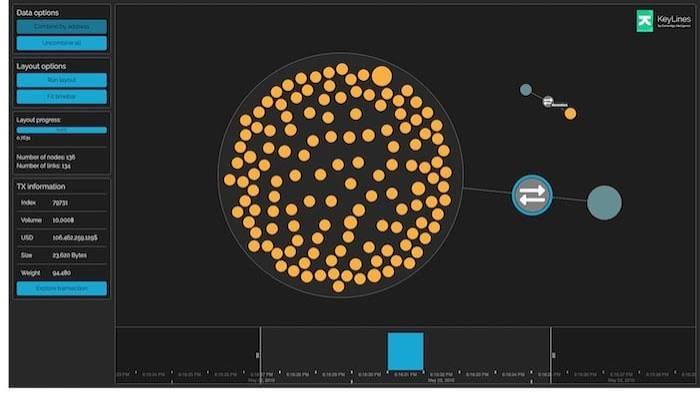
Blockchain technology has transformed the way people exchange digital assets, manage transactions, and participate in decentralized financial systems. As cryptocurrencies continue to develop, understanding blockchain activity has become increasingly important for investors, traders, developers, researchers, and casino analytics everyday enthusiasts. Blockchain analytics tools make this process easier by turning complex transaction records into useful information.
These tools help users explore wallet activity, monitor cryptocurrency movements, examine network performance, and understand market trends. Whether someone is learning about Bitcoin for the first time or researching decentralized finance, the right analytics platform can provide valuable insights. However, these tools work best when their data is interpreted carefully and combined with independent research.
What Is Blockchain Analytics?
Blockchain analytics is the process of collecting, examining, and interpreting data recorded on blockchain networks. Public blockchains typically store transaction information that users can inspect through specialized platforms. Analytics tools organize this information into readable charts, transaction histories, wallet summaries, and network statistics.
For example, a user may want to investigate how much cryptocurrency has moved through a particular wallet or determine how activity on a blockchain has changed over time. Instead of examining individual transactions manually, analytics platforms provide dashboards and search features that simplify the process.
Blockchain analytics also supports transparency, security research, compliance investigations, and the study of decentralized applications. Nevertheless, a wallet address does not automatically reveal the real-world identity of its owner, and transaction patterns can sometimes be misleading.
1. Etherscan for Ethereum Research
Etherscan is one of the most widely recognized blockchain explorers for the Ethereum network. It allows users to inspect transactions, wallet addresses, smart contracts, tokens, and blocks.
Cryptocurrency enthusiasts can use Etherscan to verify whether a transaction has been confirmed, examine gas fees, and review the activity associated with a public wallet address. Developers can also investigate smart contract interactions and inspect verified contract source code when available.
Another useful feature is token tracking. Users can review token transfers and examine contract details before interacting with unfamiliar projects. These capabilities make Etherscan a valuable starting point for anyone interested in Ethereum.
However, seeing a successful transaction does not necessarily mean that a token or project is trustworthy. Users should investigate contract permissions, project documentation, and other relevant information before making decisions.
2. Blockchain.com Explorer for Bitcoin Data
Blockchain.com Explorer provides access to Bitcoin blockchain information through a straightforward interface. It helps users search for wallet addresses, transaction identifiers, and individual blocks.
The platform is particularly useful for beginners who want to understand how Bitcoin transactions work. Users can examine transaction inputs and outputs, confirmation counts, and network activity without needing advanced technical knowledge.
Researchers may also use the explorer to study transaction sizes, block production, and other publicly available network statistics. By comparing information across different periods, enthusiasts can develop a clearer understanding of Bitcoin’s transaction environment.
Because blockchain data can be technical, beginners should learn basic concepts such as transaction fees, confirmations, and unspent transaction outputs before drawing conclusions from the displayed information.
3. Dune for Custom Blockchain Dashboards
Dune is a blockchain analytics platform that enables users to explore on-chain data and create customized dashboards. It is especially useful for people who want to investigate specific questions rather than rely exclusively on standard charts.
Users can work with SQL queries to analyze blockchain transactions, decentralized exchange activity, NFT markets, and other supported datasets. Community-created dashboards can also provide useful starting points for research.
For example, someone studying decentralized finance might examine trading volumes, protocol usage, or changes in the number of active wallets. Developers and analysts can use these insights to understand how applications are being used.
Dune may require some technical learning, particularly for users unfamiliar with SQL and blockchain data structures. Still, its flexibility makes it an excellent option for enthusiasts interested in deeper analysis.
4. DeFiLlama for Decentralized Finance Metrics
DeFiLlama is a popular analytics platform focused on decentralized finance. It provides information about decentralized finance protocols, total value locked, protocol categories, and other ecosystem metrics.
Total value locked, commonly called TVL, estimates the value of assets deposited in supported protocols. This metric can help users compare the scale of different decentralized finance applications.
The platform also helps researchers explore historical changes in protocol activity and compare ecosystems. These features are useful when studying the development of lending platforms, decentralized exchanges, and other blockchain-based financial services.
However, TVL should not be treated as a complete measure of a project’s quality. Asset prices, incentives, liquidity conditions, and changes in deposited funds can all affect the figures. A high TVL alone does not establish that a protocol is secure or sustainable.
5. Glassnode for On-Chain Market Research
Glassnode provides on-chain analytics designed to help users study cryptocurrency market behavior. Its research and metrics cover areas such as wallet activity, asset movements, supply distribution, and network participation.
Investors and researchers can use these indicators to explore how market conditions evolve. For example, changes in exchange-related flows or the behavior of different wallet groups may provide additional context about market activity.
Glassnode is particularly relevant to users interested in Bitcoin and other supported cryptocurrency ecosystems. Its historical metrics can help researchers compare current conditions with earlier market periods.
Nevertheless, on-chain indicators do not predict prices with certainty. A metric may support several interpretations, and market movements can be influenced by economic developments, regulations, liquidity, and investor sentiment. Users should combine on-chain research with other reliable information.
6. Nansen for Wallet and Entity Analysis
Nansen is a blockchain analytics platform known for wallet labeling and entity-focused research. It helps users examine blockchain activity and organize certain addresses into more understandable categories.
Wallet labels can make it easier to investigate activity associated with exchanges, funds, applications, and other identified entities when supported by available data. This can provide useful context when studying movements across decentralized finance ecosystems.
For instance, researchers may examine how labeled wallets interact with different protocols or how assets move between identified entities. Such information can help explain blockchain activity that would otherwise appear as a collection of unrelated addresses.
However, wallet labels are not always complete or definitive. Users should avoid assuming that an address belongs to a particular individual or organization without adequate evidence. Some advanced features may also require a paid subscription.
7. Token Terminal for Fundamental Metrics
Token Terminal focuses on financial and operating metrics for blockchain networks and decentralized applications. Its dashboards help users compare supported projects through indicators related to revenue, fees, usage, and other fundamentals.
This information can be helpful for enthusiasts who want to understand more than token prices. Examining protocol activity and financial metrics may provide a broader perspective on how an application operates and whether its usage is developing over time.
Comparisons are most useful when projects use similar business models and comparable definitions. Different protocols may generate fees differently, and reported figures do not necessarily represent profits available to token holders.
Token Terminal can therefore support fundamental research, but it should not replace careful examination of a project’s economic model, governance, risks, and documentation.
8. Arkham for Blockchain Intelligence
Arkham provides blockchain intelligence features designed to help users investigate addresses, entities, and cryptocurrency transfers. Its tools can organize public blockchain information into more accessible views of on-chain activity.
Researchers may use the platform to explore labeled entities, examine asset movements, and investigate connections between addresses. This can be useful when trying to understand complex transaction patterns.
As with other entity-analysis platforms, attribution requires caution. Labels and inferred connections may contain errors, and a transaction involving an address does not automatically establish ownership or intent. Users should distinguish verified information from analytical assumptions.
How to Choose the Right Blockchain Analytics Tool
The best platform depends on the type of research being conducted. Beginners may prefer blockchain explorers because they provide direct access to transaction records. Users interested in decentralized finance may benefit from protocol dashboards, while advanced researchers may prefer platforms that support custom queries.
Before choosing a tool, consider the following factors:
- Supported networks: Confirm that the platform covers the blockchain you want to investigate.
- Data quality: Check whether metrics are clearly defined, regularly updated, and supported by reliable sources.
- Ease of use: Choose an interface that matches your technical experience.
- Historical information: Look for historical charts when studying changes over time.
- Cost and access: Review subscription requirements and the availability of free features.
- Privacy and security: Never provide private keys or seed phrases to an analytics platform.
Using multiple sources can improve research quality because platforms may calculate metrics differently or cover different parts of the blockchain ecosystem.
Conclusion
Blockchain analytics tools have become essential resources for cryptocurrency enthusiasts who want to understand digital asset activity beyond market prices. Platforms such as Etherscan, Blockchain.com Explorer, Dune, DeFiLlama, Glassnode, Nansen, Token Terminal, and Arkham offer different ways to investigate transactions, networks, protocols, and wallet behavior.
The most effective approach is to select tools that match your research goals, verify important findings across independent sources, and understand the limitations of the available data. Blockchain analytics can improve transparency and support more informed decisions, but it cannot eliminate uncertainty or guarantee investment results.
By developing basic analytical skills and using these platforms responsibly, cryptocurrency enthusiasts can gain a clearer understanding of blockchain ecosystems and follow their development with greater confidence.
